
Built for freight, not for generic procurement
Most sourcing tools were built to collect proposals and were later pointed at transportation. Freight does not behave like other categories. Rates move weekly. A lane is not a line item, it is an origin, a destination, an equipment type, a seasonal volume curve and a service commitment. A carrier who wins a lane at a rate they cannot hold will simply reject the tender in month four, and the savings on the spreadsheet never reach the invoice.
ProcureOS is built around that reality. Bids are structured at lane level. Rates are benchmarked against live market data. Carrier performance sits next to carrier price at the moment of award. If you are still designing the process itself, start with how to run an annual freight RFP.
What you can do in an annual RFP with Emerge
| Capability | What it does | What it changes |
|---|---|---|
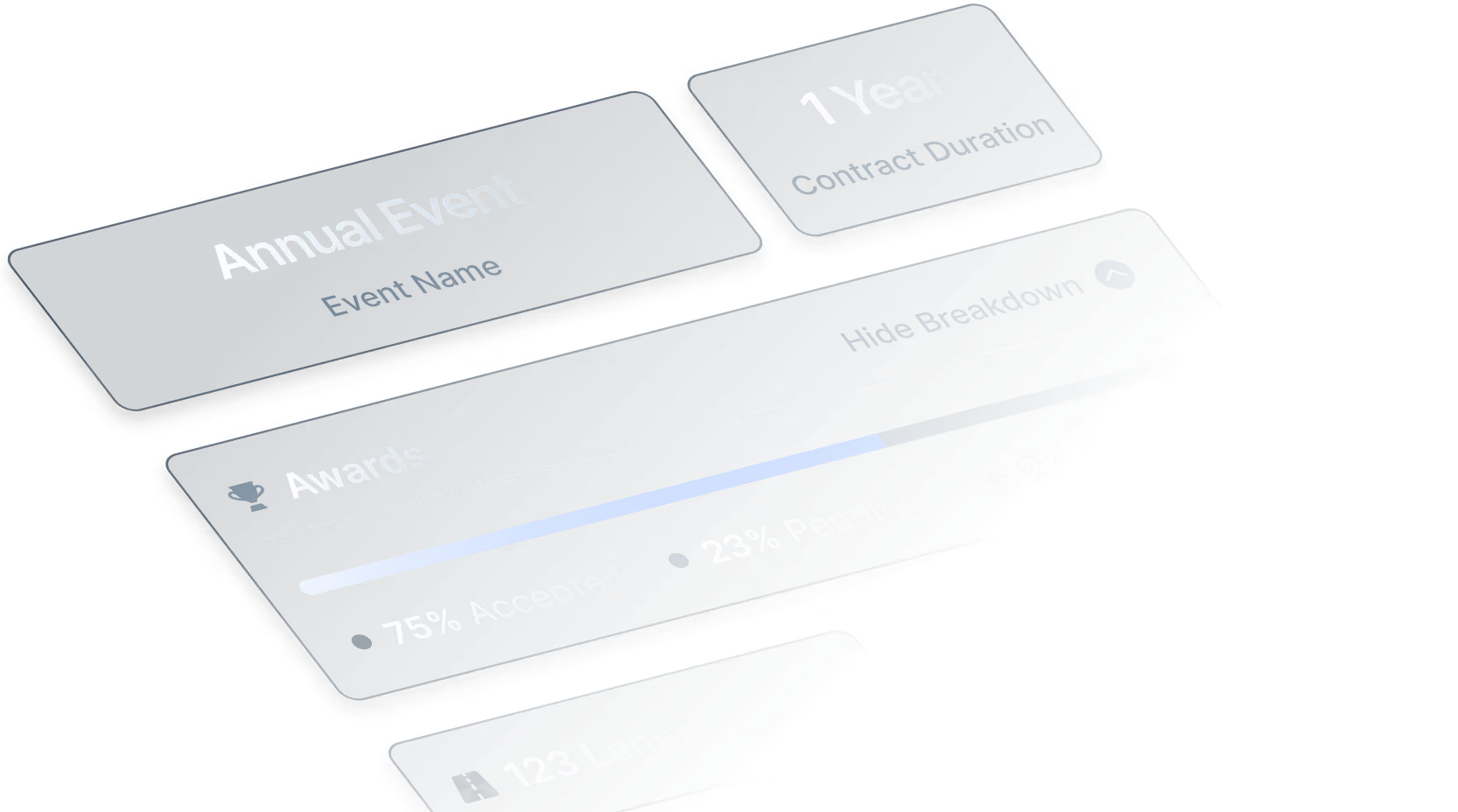
| Lane-level bid collection | Collects base linehaul, fuel mechanism, accessorials and committed capacity in one enforced structure across every carrier | Removes the spreadsheet normalization step that turns a six week bid into a twelve week bid |
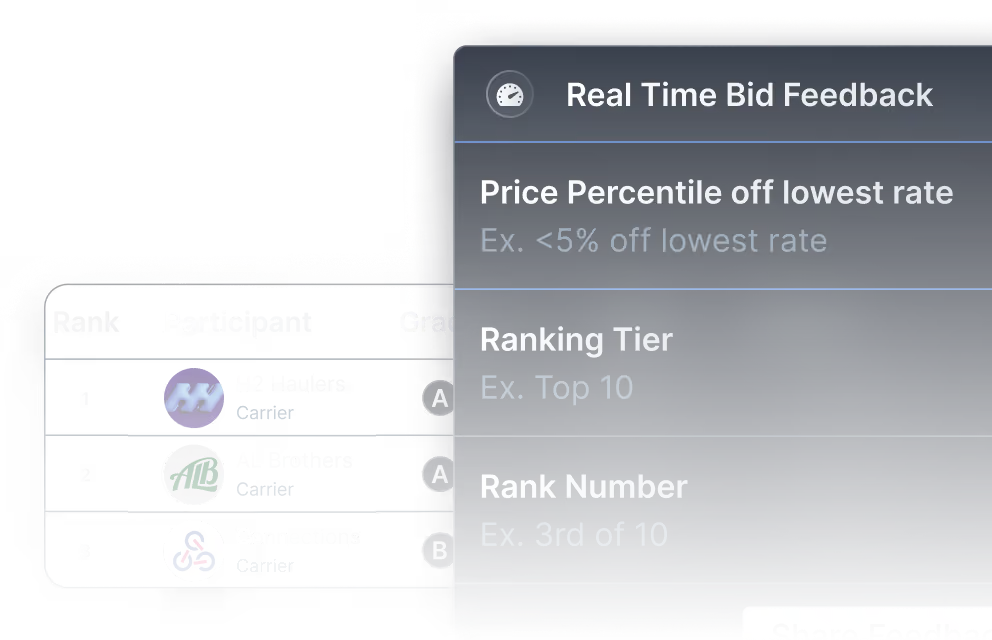
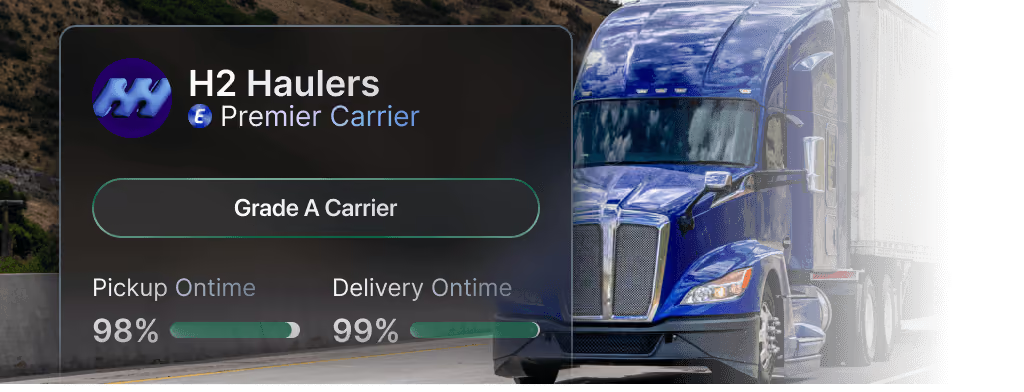
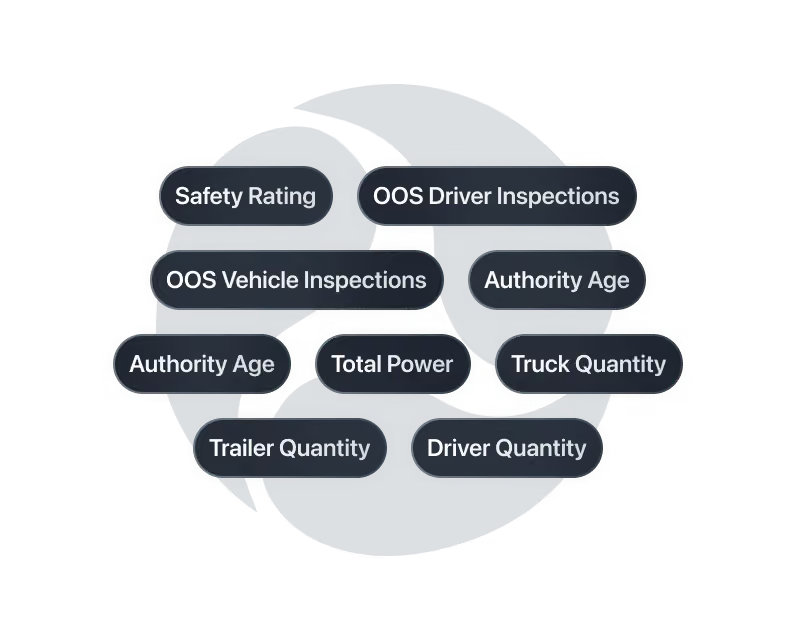
| Carrier scorecards | Surfaces FMCSA safety data, historical tender acceptance and on-time performance beside every bid | Stops the lowest bid from winning a lane the carrier will not cover |
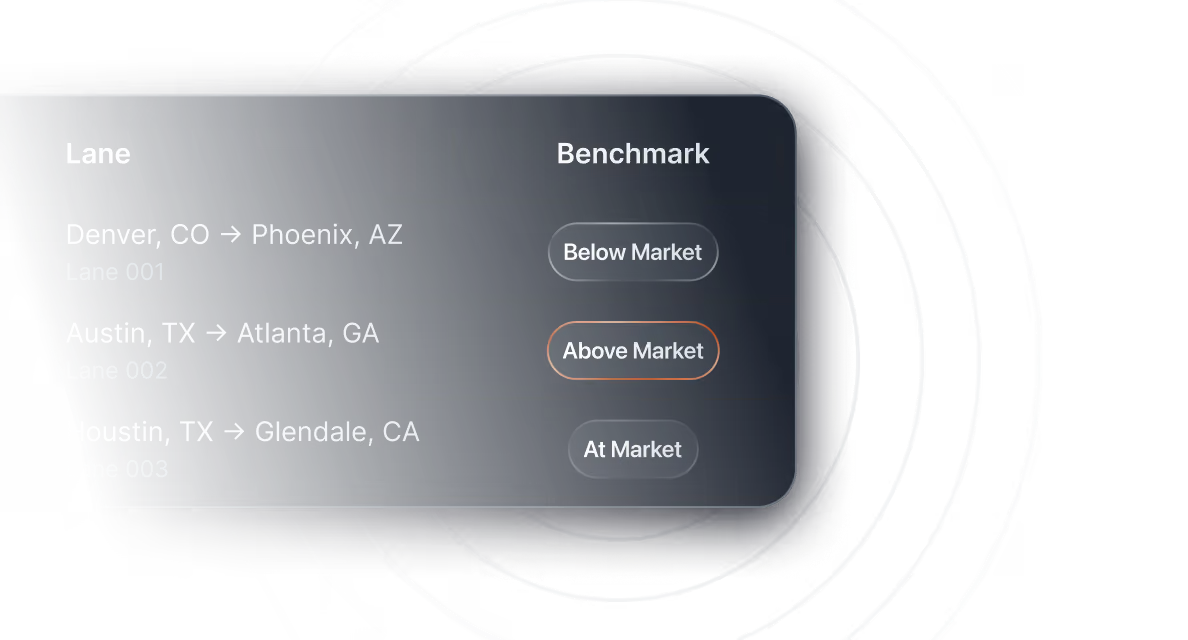
| Rate benchmarking | Compares every bid against contract and spot market benchmarks at lane level | Tells you whether a bid is genuinely competitive or just cheaper than the other bids you received |
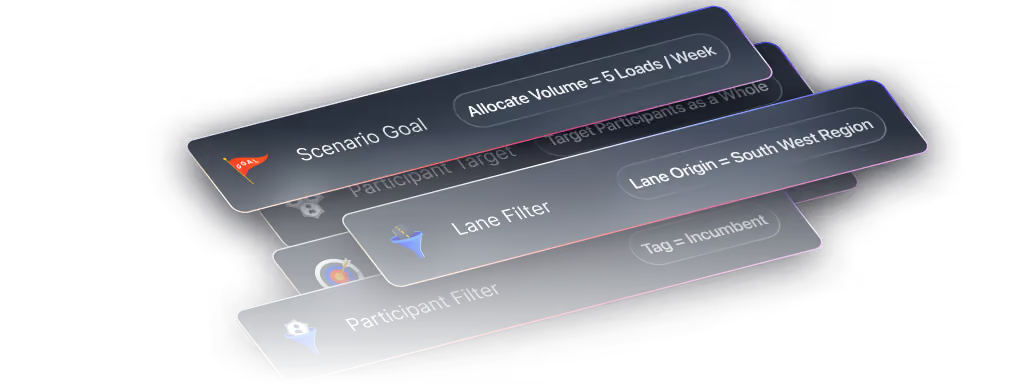
| Award scenario modeling | Models award strategies against your constraints: carrier concentration caps, incumbent retention and service weighting | Shows the total event cost of each strategy so you can price resilience instead of guessing at it |
| Marketplace carrier access | Opens the bid to vetted marketplace carriers alongside your incumbent base | Adds real competitive tension instead of rebidding the same carriers every year |
| Mini-bids between annual events | Rebids a targeted set of lanes without rebuilding the event | Keeps contracted rates near the market without running a second full RFP |
Award on total value, not lowest rate
Every carrier bid in Emerge arrives attached to that carrier's record: active operating authority, insurance, safety percentiles, and how reliably they accepted tenders in the past. Award criteria and weightings are set before bids open, so the decision is made against a standard rather than against whichever number looks best on the day. That record lives in carrier scorecards, and pricing is checked against contract rate benchmarking rather than against last year's number.
Model the award before you commit to it
Scenario modeling is where an annual RFP is won or lost. Emerge lets you model award scenarios several ways from the same bid set: lowest total cost, incumbent-weighted, concentration-capped, service-weighted. Each returns a total event cost. When the resilient award costs more than the theoretical cheapest one, you can put the difference in front of finance as a number rather than an argument.
Then stop treating the annual bid as the only event
An annual RFP sets your strategic carrier relationships and your baseline allocations. It should not be the only time you touch your rates. When the spread between spot and contract widens on a set of lanes, rebid those lanes with mini-bids rather than waiting nine months or reopening the entire event. The annual bid gives you stability. Mini-bids keep it current.
Who this is for
Shippers running annual truckload or LTL bids, from mid-market teams running their first structured RFP off spreadsheets, to enterprise transportation teams running thousands of lanes with an existing TMS. Dollar Tree, Golden State Foods, Pepsi Bottling Ventures and EZRack all run freight procurement on Emerge.
Frequently asked questions
What is freight RFP software?
Freight RFP software runs the annual transportation bid end to end: collecting lane-level carrier rates in one structure, benchmarking them against the market, scoring carriers on safety and performance, modeling award scenarios, and publishing the awarded routing guide.
How is this different from a TMS?
A TMS executes freight you have already contracted. Freight RFP software decides who gets that freight and at what rate. Emerge integrates with major TMS platforms so awarded rates flow into execution without a manual sync.
Can I run mini-bids as well as annual RFPs?
Yes. Mini-bids reuse the lane structure and carrier base from your annual event, so rebidding a set of lanes takes days rather than weeks.
How long does an annual freight RFP take in Emerge?
Most shippers run a full annual bid in 6 to 8 weeks from data collection to award. The variable that moves that most is how clean the lane file is before the bid opens.


 SOC 2 Type II